
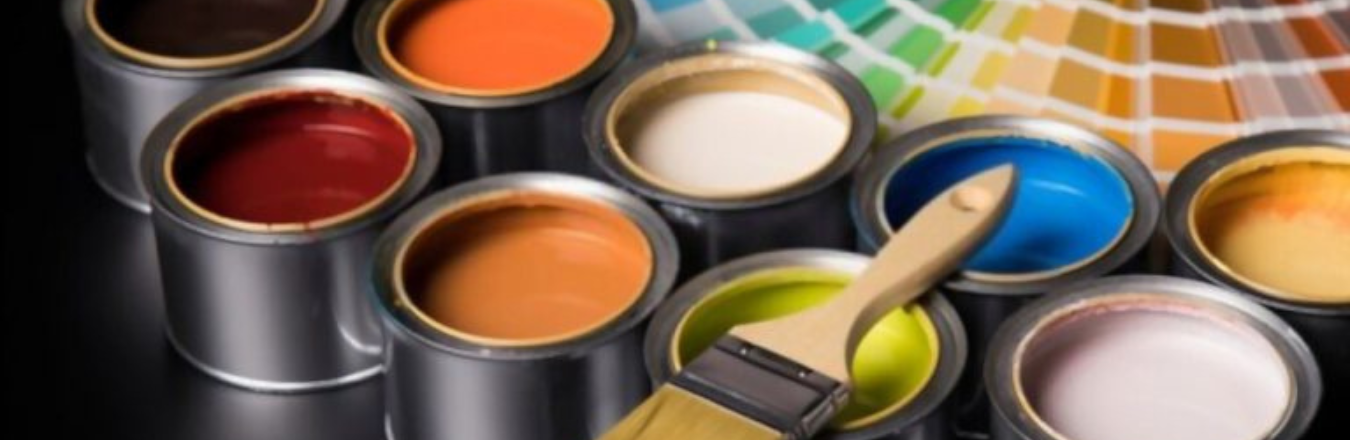
Paint testing involves various methods and procedures to assess the quality, performance, and compliance of paints and coatings with specified standards and requirements. Here’s an overview of some common paint testing methods:
1. Adhesion Testing:
- Purpose: Determines the adhesion strength of the paint/coating to the substrate.
- Methods:
- Cross-cut tape test: A grid pattern is cut into the paint, and adhesive tape is applied and then removed to assess the paint adhesion.
- Pull-off adhesion test: Uses a specialized apparatus to measure the force required to pull a specified area of the coating from the substrate.
- Applications: Ensures proper bonding and durability of the paint/coating.
2. Thickness Measurement:
- Purpose: Determines the thickness of the applied paint/coating.
- Methods:
- Magnetic induction gauge: Measures non-destructively through electromagnetic induction.
- Micrometer or caliper: Direct measurement of dry film thickness.
- Applications: Verifies compliance with coating specifications and ensures adequate protection.
3. Visual Inspection:
- Purpose: Visual examination of the painted surface for defects and irregularities.
- Methods:
- Observation under suitable lighting conditions.
- Applications: Identifies issues such as cracks, blisters, pinholes, or color inconsistencies.
4. Gloss and Color Measurement:
- Purpose: Quantifies the gloss and color properties of the paint/coating.
- Methods:
- Gloss meter: Measures specular reflection of light from the surface.
- Colorimeter or spectrophotometer: Measures color attributes such as hue, saturation, and brightness.
- Applications: Ensures consistency in appearance and aesthetic qualities.
5. Chemical Resistance Testing:
- Purpose: Evaluates the resistance of the paint/coating to various chemicals and substances.
- Methods:
- Immersion testing: Submerges coated panels in different chemicals and evaluates changes in appearance or properties.
- Spot testing: Applies chemicals directly to the coating and observes reactions.
- Applications: Determines the suitability of the coating for specific environments (e.g., industrial, marine).
6. Abrasion and Scratch Resistance:
- Purpose: Measures the resistance of the paint/coating to abrasion and scratching.
- Methods:
- Taber abrasion tester: Rotating wheel abrades the coating under controlled conditions.
- Pencil hardness test: Uses pencils of varying hardness to determine the coating’s scratch resistance.
- Applications: Ensures durability and longevity of the coating in use.
7. Weathering and Exposure Testing:
- Purpose: Simulates environmental conditions to evaluate long-term durability and performance.
- Methods:
- Xenon arc or UV exposure testing: Exposes coated panels to simulated sunlight and weather conditions.
- Salt spray testing: Tests resistance to corrosion in a salt-laden atmosphere.
- Applications: Predicts how the paint/coating will perform over time in real-world conditions
At Sahjanand Test Lab, our Paint Testing services are designed to ensure the quality, performance, durability, and compliance of paints and coatings used across industries such as automotive, construction, manufacturing, and infrastructure. Paint testing is essential not only for aesthetic appeal, but also to verify that coatings provide long-lasting protection, resist environmental stress, and meet regulatory standards.
Our laboratory offers a comprehensive range of paint and coating tests including adhesion testing, thickness measurement, gloss and color evaluation, chemical resistance testing, and weathering performance assessment. These tests help identify any defects like blistering, peeling, cracking, or color inconsistency before products reach the market.
We utilize advanced instruments and standardized testing methods to measure physical, mechanical, and chemical properties of paints including film thickness, scratch resistance, abrasion resistance, and environmental durability. Each test is carried out accurately to provide reliable data that supports quality assurance, product development, and regulatory compliance.
With meticulous attention to detail and professional reporting, Sahjanand Test Lab ensures that your paint formulations and coatings consistently perform as expected under real-world conditions.
Sahjanand Test Lab offers Paint Testing services across Pan India, providing reliable and standardized testing solutions for paints and coatings used in industrial, commercial, and infrastructure projects nationwide. Our Pan-India Paint Testing services help manufacturers, contractors, and project consultants ensure coating quality, durability, and compliance regardless of project location.
With advanced testing equipment and experienced professionals, we conduct comprehensive paint and coating tests including adhesion testing, coating thickness measurement, gloss and color evaluation, abrasion resistance, and chemical resistance testing. Our Pan-India Paint Testing services are designed to support quality control, product validation, and regulatory compliance for clients operating in multiple cities and regions.
Whether your project is located in a metro city or an industrial zone, our team delivers consistent testing accuracy, transparent reporting, and timely results across India. We are committed to providing dependable Paint Testing solutions at a Pan-India level, ensuring long-lasting performance and protection of coatings under diverse environmental conditions.
Our Paint Testing Lab services are available across Pan India, covering major industrial and metropolitan cities including Ahmedabad, Mumbai, Pune, Delhi, Jaipur, Bengaluru, Chennai, Hyderabad, Kolkata, Nagpur, Bhopal, Lucknow, Kanpur, Visakhapatnam, and Chandigarh. With a strong operational base in Ahmedabad and an extensive Pan-India network, we deliver consistent, accurate, and standardized paint testing solutions for manufacturing units, infrastructure projects, and industrial facilities, ensuring reliable quality assurance and regulatory compliance across diverse locations in India.
FAQs
Frequently Asked Questions
The Best Paint Testing Laboratory is defined by its technical expertise, advanced instrumentation, adherence to IS/ASTM/ISO standards, NABL-compliant processes, experienced professionals, and commitment to accurate, unbiased reporting. A top laboratory ensures reliable testing results that help manufacturers maintain product quality, durability, and regulatory compliance.
As a Top Paint Testing Lab, we focus on precision testing, transparent reporting, quick turnaround times, and customized solutions for manufacturers, contractors, exporters, and infrastructure companies.
Our Paint Testing Lab offers comprehensive testing services including adhesion testing, impact resistance testing, flexibility testing, salt spray testing, dry film thickness measurement, gloss testing, and chemical resistance evaluation.
Our Paint Testing Laboratory Ahmedabad is equipped with modern instruments for durability testing, corrosion resistance analysis, environmental exposure testing, and performance validation as per IS, ASTM, and ISO standards.
Paint testing ensures product quality, durability, safety compliance, and performance reliability. It helps manufacturers maintain consistency, meet regulatory requirements, and enhance customer satisfaction.
Industries such as automotive, construction, marine, oil & gas, heavy engineering, appliances, infrastructure, and manufacturing rely on paint testing to ensure coating longevity and corrosion protection.
We evaluate physical, chemical, and mechanical properties including thickness, hardness, adhesion strength, abrasion resistance, weather resistance, and chemical durability.
Yes, we conduct salt spray (fog) testing and corrosion resistance testing to assess how coatings perform under harsh environmental conditions.
Testing duration depends on the specific test method. Basic physical tests may take 1–3 days, while long-term corrosion or environmental exposure tests may take several days or weeks.
You can contact us through our website, call our technical team, or submit your testing requirements via inquiry form. Our experts will recommend suitable test methods and provide a detailed quotation promptly.